Polk Preserves Environmental Lands, Benefiting All Residents and Visitors
Polk County’s Environmental Lands Program is “thriving,” benefiting from the generosity of taxpayers who continue to fund it.
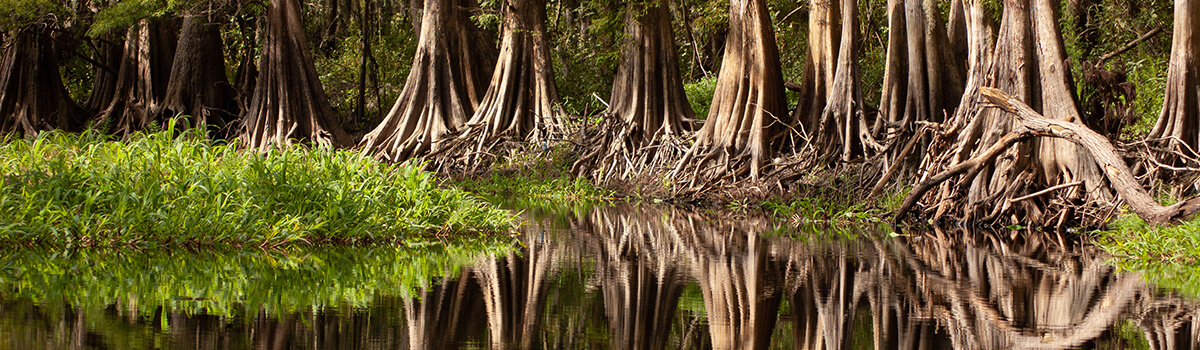
The program buys, preserves and manages endangered and environmentally sensitive lands, water resources and important wildlife habitats. They currently oversee 26,000 acres to date. Those properties are purchased, and then well-cared for. They are used for passive outdoor recreational purpose, seeking not to disturb the habitat.
Gaye Sharpe, Polk County’s Natural Area Manager, said the program is thriving. This is in large part because the previous program, funded by a referendum passed in 1994, was so successful. In 2021, the political committee Polk Forever was organized to pursue continued funding through a 0.2 mil property tax for 20 years. Voters again approved this. An early beneficiary was the Eagle Haven Ranch, a 2,300-acre property that was purchased through a partnership between Conservation Florida, the U.S. Department of Agriculture, the Department of Defense and landowners.
Funding the Environmental Lands Program
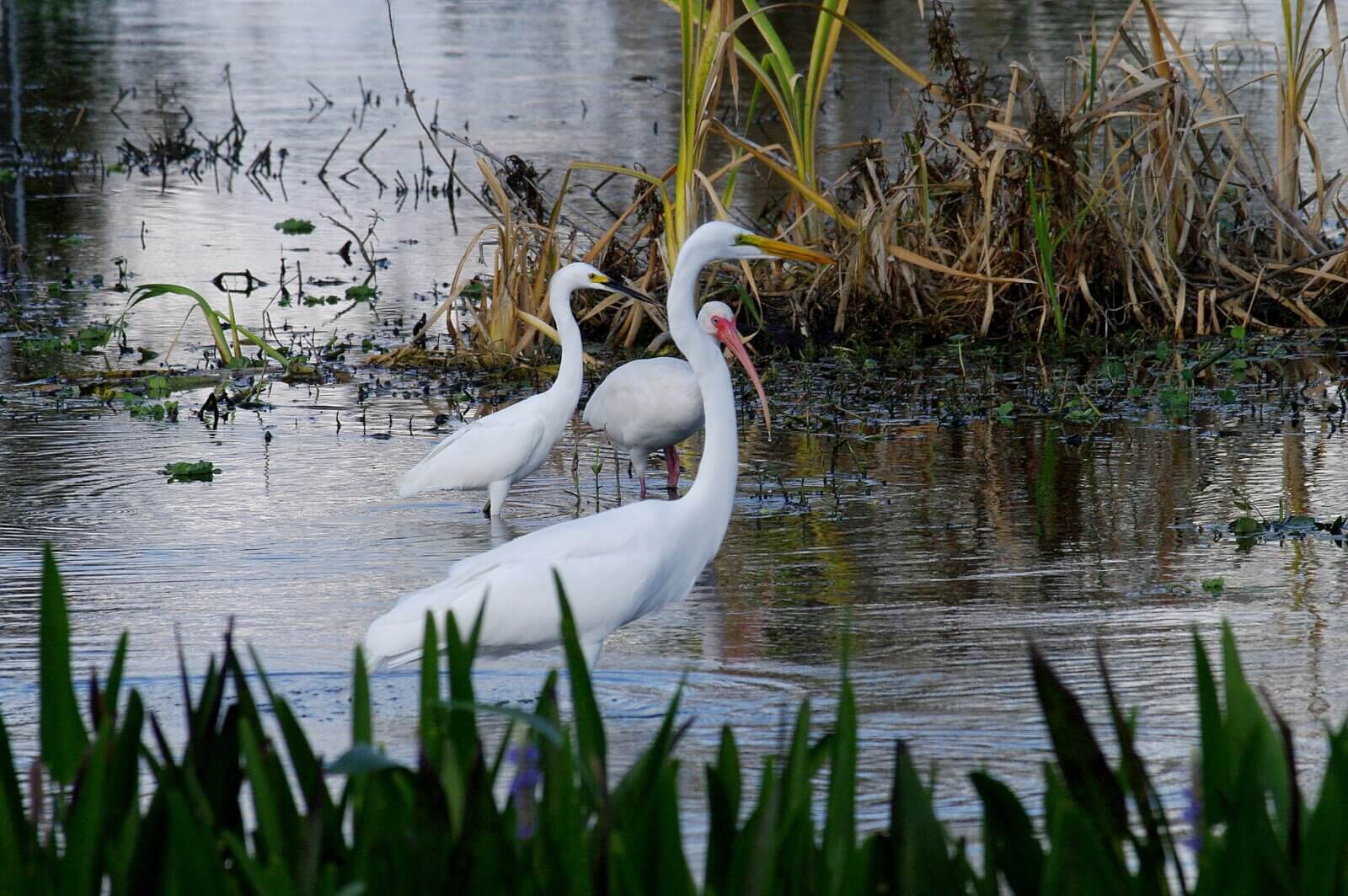
Continued funding will allow the county “to continue acquisition and management for the protection of water resources and important fish and wildlife habitat, including unique plants. There is also an emphasis on wildlife movement corridors,” Sharpe said.
It also allows the county to provide a match for funding it may seek from federal, state and non-profit sources. “Having a locally funded conservation acquisition program has enabled partnerships between local, state and federal entities. The investments into the local program have been used to leverage and match outside funding at a rate of $1 in local money to $4 in outside dollars,” she said.
All of this is important “to acquire properties either by gaining full ownership or by easements removing intense development rights,” Sharpe said. “Agriculture is important in sustaining food into the future. And easements allow the land to stay in agriculture production while providing corridor connections to other lands with great environmental habitats.”
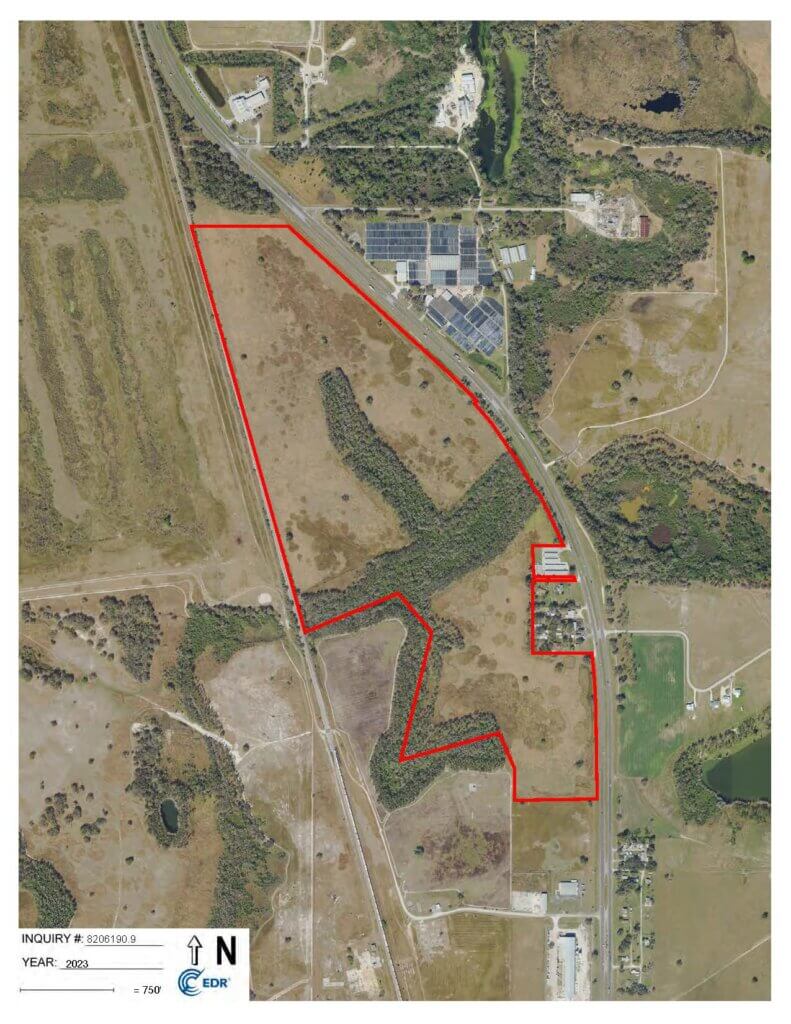
With the new referendum, she said, willing sellers have nominated more than 50 properties; three have been purchased, along with one conservation easement, she said.
Successful Purchases
Sharpe said there have been many important sites purchased already. It’s hard to pick the most important, but Circle B Bar Reserve is among the leaders.
“For environmental education, I would pick Circle B Bar Reserve,” she said. “There have been programs developed with the School Board, private schools and homeschool groups that do a tremendous job in connecting math, science and other curricula to real-life experiences. Teachers bring their classes to Circle B. Students conduct hands-on field studies/research about the water and natural resources in their backyard.”
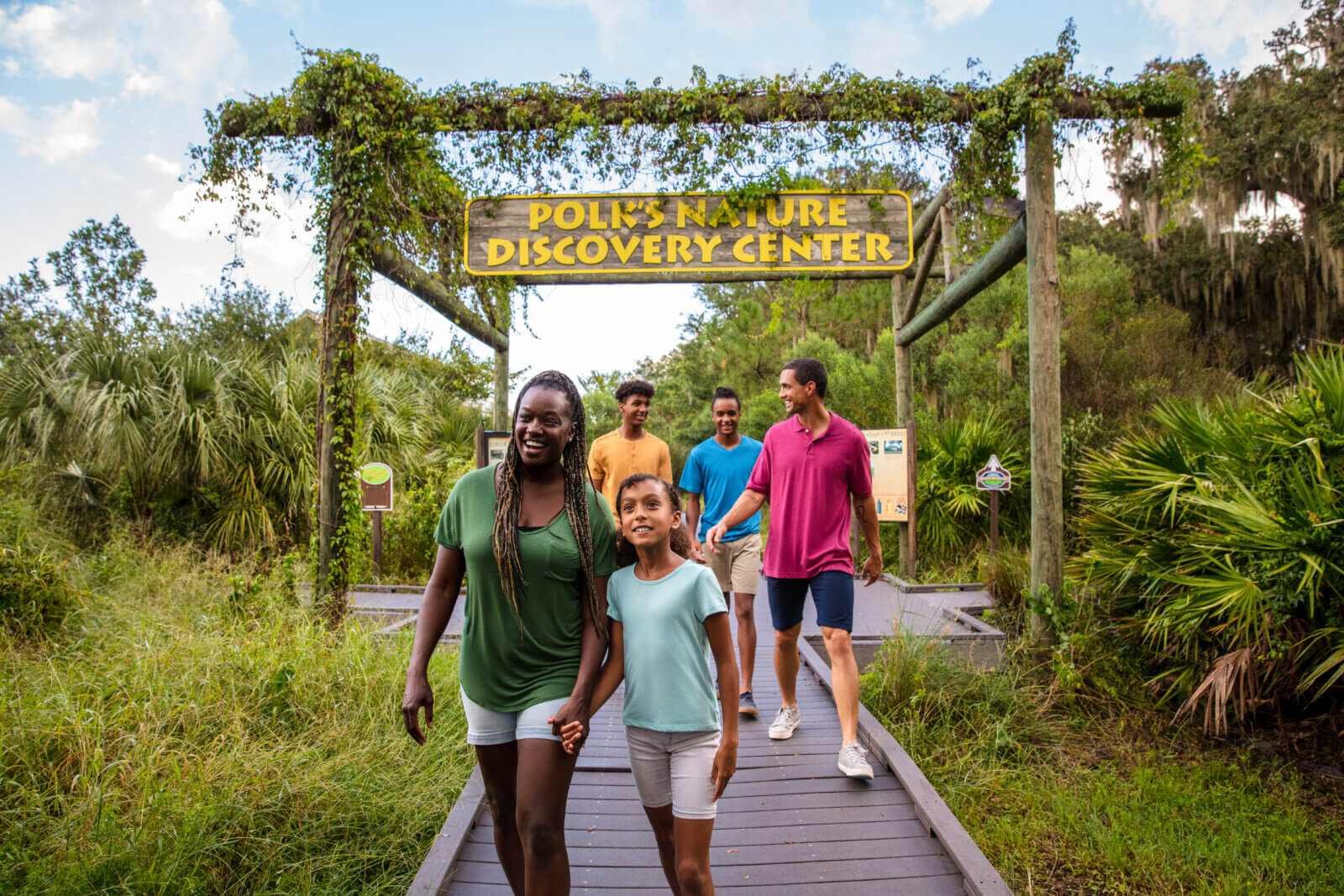
There are many sites around the county “that are intriguing, allowing for different experiences” for people who want to explore on their own, Sharpe said.
She suggests people who want to explore visit www.PolkNature.com to research sites they might want to visit. In addition, she said, “We have an online interactive mobile trail map that will assist you in guiding you along trails of some of our more popular sites.”
The Future
The program is pursuing several acquisitions right now, Sharpe said.
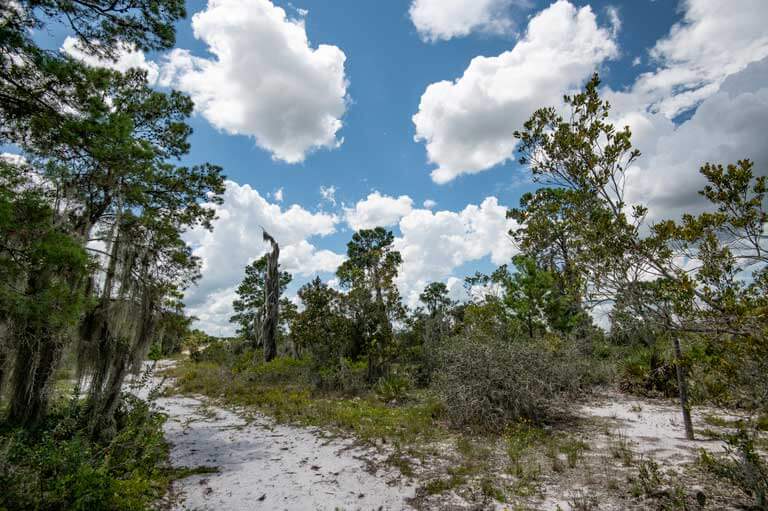
“October 2025 is the proposed date for the closing of Phase 2 of the Masterpiece project. It will be approximately 1,000 acres of additional conservation in a critical greenspace and wildlife corridor area,” she said.
A Technical Assessment Group (TAG) are experts in areas such as water resources, wildlife and land management, among others. They follow guidelines to evaluate properties. Their information is passed to the Conservation Land Acquisition Selection Advisory Committee (CLASAC). The citizen advisory committee uses that information and the overall regional importance of each property. Then, they make recommendations to the Polk County Board of County Commissioners.
“Through CLASAC, the people of Polk County get to take an active role in protecting the community,” said committee member Jack Green. “The people can literally see their tax dollars are being utilized to protect the environment, our water sources, plants and animals. A transparent county and community effort is very important to the success of the CLASAC program. We need everyone on board to start to move the needle.”
How to Get Involved
Residents are encouraged to get involved with the program. To do so, contact Tabitha Biehl at tabithabiehl@PolkFL.gov or call 863-534-7377.
“They may be interested in volunteering for management tasks. Providing upkeep on trails, removing invasive plants and/or assisting with monitoring plant and animal species,” Sharpe said. Other opportunities also exist.
Green said it’s an “honor to serve on the CLASAC board. I feel like I have an opportunity to give back a little bit. As a fifth-generation Floridian, I have seen many changes in my community over the years. A balanced approach between human development and natural resources is in everyone’s best interest. I personally enjoy touring old Florida scrub land on sandy soils and ridges.”